The 11:47 Map: Late-Night Food and the Towns That Feed a Tour
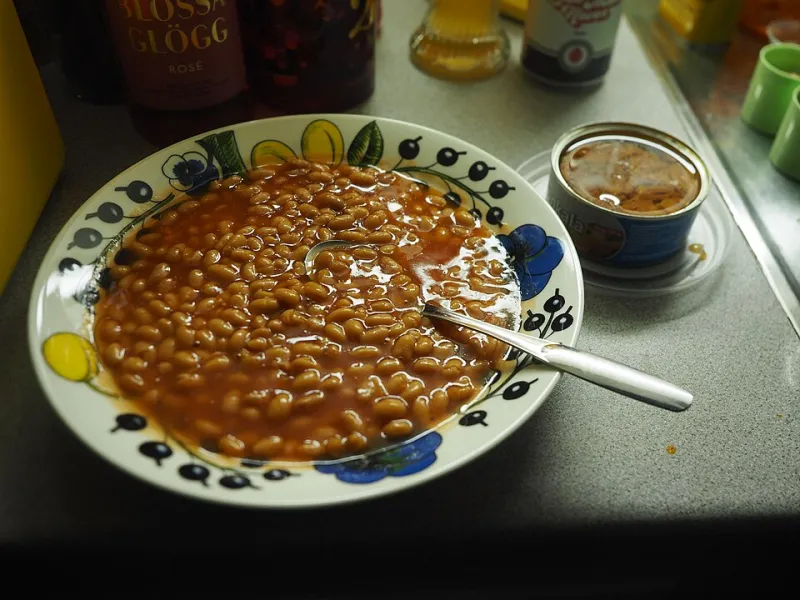
Photo: JIP, CC BY-SA 4.0, via Wikimedia Commons
There is a moment after the curtain when the show is technically over but the night has not quite decided what it is yet. The cases are stacked, the rail is zipped, the stage door is propped open with a flight case lid, and someone asks the only question that matters: what is still open?
That is when the postcode shuffle begins. Not the glamorous part of touring, not the bit that makes the programme notes, but one of the truest rituals in the job. A company can talk all day about lighting states and running orders. At 10.52pm, it reveals itself through its food map.
The Stage Door Is Only Half the Exit
The call sheet ends at a neat time. The reality ends later. There is always a post-show debrief, a lost adapter, a promoter who wants a photo, a venue manager with a set of keys and a story. By the time the stage door clicks shut, the sensible options have often gone quiet and the useful options are lit by a fridge.
This is where venue knowledge gets serious. Not the technical spec, not the dressing room count, but the local intelligence that gets passed down like folklore. The chip shop two streets over that stays open late on Fridays. The kebab van that appears near the bus station with the confidence of a landmark. The garage that sells hot food and cold coffee and has never once judged a person carrying a garment bag.
Every town has a different answer, and every company develops a loyalty to it. Ask five people where to eat after a show and you will get four factions and one person who says they are not hungry, then eats half of somebody else's chips.
Closing Time Is a Creative Constraint
The UK adds its own rhythm to this. Closing times are not a suggestion; they are a countdown. Some kitchens stop at 11pm, some places have later licences, some high streets fold up with a politeness that borders on personal rejection. On a wet Tuesday in a town you do not know, the difference between a hot meal and a bag of crisps can come down to sixteen minutes and one roundabout.
So the shuffle becomes tactical. Someone checks a phone map. Someone remembers a rumour from the load-in. Someone asks the security guard, who is the most reliable source of local knowledge in any building. The question is never really “what is open?” It is “where would you go?” That is a different question, and it gets a better answer.
The best recommendations are rarely the obvious ones. They come from the front-of-house assistant who knows the bakery that does late slices, or the venue tech who points you toward the place with the good salt and chilli chips and the terrible lighting. It is not a review. It is a handover.
The Service Station Accord
Then there are the nights with a drive attached. The van is packed, the crew is quiet, and the only realistic stop is a motorway service station. This is where late-night food stops being a meal and becomes a company tradition.
Every tour has its stop. Not necessarily the best one, not necessarily the cleanest one, but the agreed one. The one where the same person buys the same coffee, where someone always says they will not get chips and then does, and where the receipt ends up in the glovebox with six others. The service station is not romantic. It is reliable, and reliability counts for a lot when everyone is tired.
There is a particular kind of morale in sitting under fluorescent lights at midnight with a cardboard cup and a group of people who have just done a show together. Nobody is performing. Nobody is explaining the plot. The day is done, and the next one is parked outside. That is often when the best conversations happen, between the crisp aisle and the coffee machine.
A Map Written in Greaseproof Paper
Late-night food also does something practical. It teaches a company how to share. There are dietary needs to remember, budgets to respect, and the quiet etiquette of who is buying for whom. A newcomer learns fast that offering to do a run is a kind of shorthand for “I am part of this now”.
It builds a mental map of the tour too, one that has nothing to do with postcodes on a schedule. This is the venue with the chippy opposite. This is the one where the garage is the only option. This is the town where everyone waits by the van because the promoter knows a place. The map is not printed. It is passed along in messages and remembered in orders.
And it shapes which venues feel good to return to. Not because the food is exceptional, but because the ritual is. A company remembers the town where someone said, “Follow me, I know a place,” and it turned out to be exactly right.
The Morning After the Night Before
The evidence is always there the next morning: a greaseproof paper bag in the bin, a stack of receipts on the dashboard, a paper cup with a name misspelt on the side. The call sheet gets updated, the van gets loaded, and the postcode shuffle starts again somewhere new.
It is a small thing, this hunt for food after the curtain. But touring is made of small things that repeat until they become the shape of the day. The late-night run is not really about chips or coffee. It is about knowing where you are, who you are with, and how to get everyone fed before the lights go out.
And if you find a good chip shop near the stage door, you keep the address. You pass it on. That is how a town joins the tour.