The Last Handshake of the Night: Notes from the Merch Table

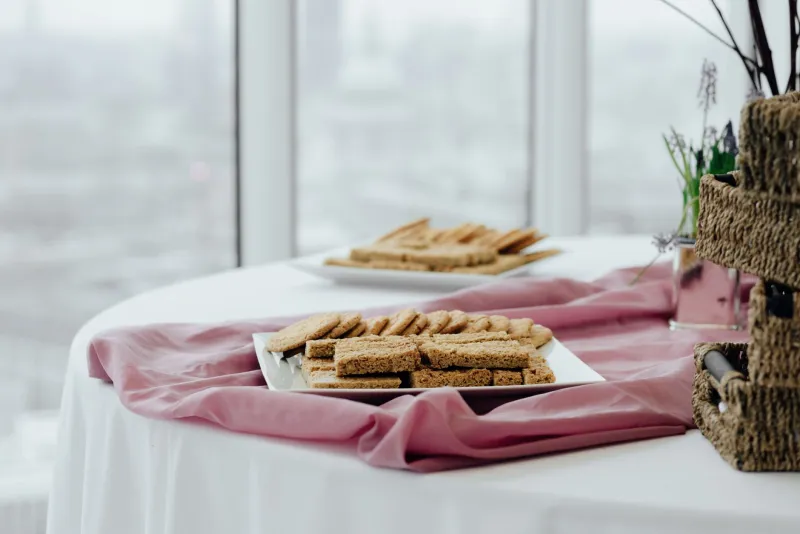
Photo: theatre foyer merchandise table programmes card reader stock photo, via farrit.lili.org
There is a particular hour in a theatre foyer that nobody puts in the programme. The doors are open, the bar queue is three deep, and somewhere between the poster frame and the cloakroom there is a wobbly table with a cloth over it, a stack of programmes, and a person trying to remember whether the card reader was charged last night.
That person is me, most weeks. And while the onstage version of the evening gets the reviews, the table gets something arguably more useful: the unedited version of the audience.
First Impressions, Second Stalls
By the time someone reaches the merch table, they have already made a judgement about the night. They might not know it yet. They are holding a ticket stub in one hand and a half-finished drink in the other, and they are deciding — quietly, politely, often without saying a word — whether this is a show they will tell their sister about on Sunday.
The table is where that decision becomes visible. Not in a dramatic way. In the small stuff. Do they linger? Do they pick up the programme, read the back, put it down, and come back ten minutes later? Do they ask which of the two prints is the one from the second act? People who have enjoyed themselves ask specific questions. People who have not enjoyed themselves ask the price and then look at their watch.
The Float, the Reader and the Ritual
Practical matters first, because a romantic view of the merch table lasts exactly until the first person wants to pay for a £6 programme with a £20 note at four minutes to curtain.
- Float. Keep it small and keep it honest — a mix of coins and fivers, and never so much that a busy night becomes a security question. On cashless-heavy dates the float is mostly a comfort blanket, but the night someone's card declines and they have a tenner in their pocket, you will be glad of it.
- Card reader. Charge it, test it, and know where the signal is worst. Foyers are old buildings with thick walls and, occasionally, a mysterious dead spot behind the pillar by the ladies'. Have the reader angled towards the customer rather than towards you, and learn the tap-and-go rhythm so you are not fumbling while a queue watches.
- Signage. A price list in big, clear letters saves roughly forty per cent of the questions at the start of the night. Include what is card-only, what is signed, and whether the tote bag is included. Do not use a font that looks like a menu at a gastropub; use one that an eighty-year-old can read from a metre away.
- Stock counts. Count in before doors, count out after the last person has gone, and write it down. Not because anyone is stealing — because you will absolutely convince yourself in the car park that you started with twenty-five programmes and not twenty-four.
What the Queue Tells You
The queue is the most underrated feedback mechanism in the industry. A queue that forms early and stays long usually means the show is playing well; a queue that only appears at the interval, then evaporates, usually means the audience is being polite rather than enthusiastic. Neither is a verdict on quality, but both are useful.
There is also a geography to it. In touring houses, the table sits where the audience has to walk past it twice — going in and coming out — so the second visit is where the real conversations happen. That is when someone leans in and says, "I saw you in the panto two years ago," or asks whether the piece in the second half was written for this tour or borrowed. Those are the moments that make the table feel less like retail and more like a very slow, very warm conversation that happens to involve a card reader.
Comedy dates are their own flavour. Audiences arrive in groups, they are noisier, and they will try to negotiate. I have been offered a swap, a promise of a pint, and — on one memorable occasion in Leeds — a half-eaten bag of Maltesers for a signed poster. The answer to all three is a smile and a no, but the smile matters. People remember being let down gently far more than they remember being told the price.
Signage for the Slightly Overwhelmed
The best thing I ever did for the table was to add a small handwritten sign that said: Yes, you can pay by card. No, we can't hold one until the interval. It did not stop the questions. It did, however, stop the slightly guilty look people get when they are about to ask a question they suspect is annoying.
Accessibility matters here more than most people realise. Put the table at a height a wheelchair user can reach comfortably, keep the reader within arm's reach rather than tucked behind a stack of totes, and have a large-print sheet of the running order for anyone who asks about timings. These are small things. They are also the difference between a person feeling welcome and a person feeling like they are causing a fuss by existing in a foyer.
Counting In, Counting Out
The end of the night is unglamorous. The audience has gone, the bar staff are stacking chairs, and you are crouched under the table trying to reconcile a pile of notes with a list on the back of a call sheet. There is always a two-pound discrepancy. There is always a programme that has been put back in the wrong pile. There is always one tote bag that has somehow migrated under a nearby bin.
And yet, that ten minutes is strangely satisfying. You are the last person in the building who was on the audience side of the curtain, and the first person they saw on the way in. You are, in a small and unglamorous way, the handshake at both ends of the evening.
The Last Handshake
The show goes on without the merch table. It really does. But audiences rarely remember the lighting cue that worked perfectly; they remember the person who found them a seat, stamped their hand, or laughed at their joke about the traffic on the ring road.
So next time you buy a programme, look at the person selling it. They have probably been on their feet since six, they know exactly which act is the good one, and they will remember your face tomorrow. That is not a transaction. That is the last handshake of the night, and it is worth getting right.