Matinee to Moonlight: Field Notes from a 2026 Panto Run
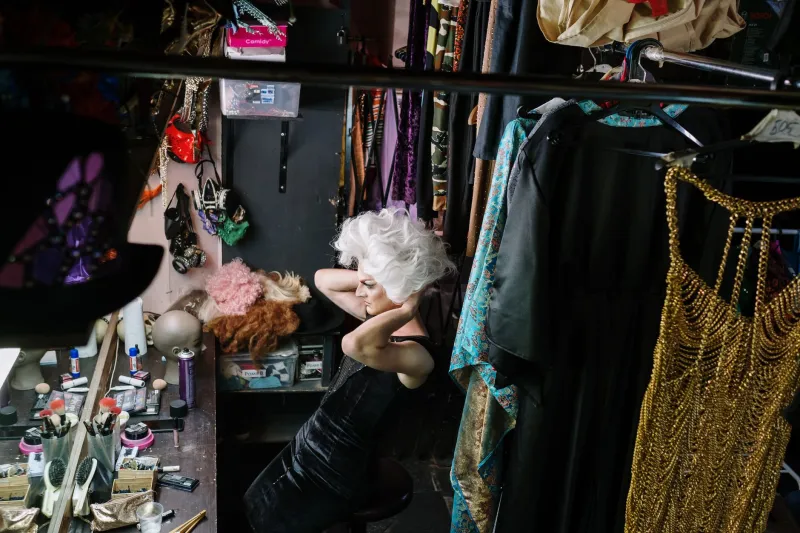
There is a moment, about twenty minutes before a matinee, when a panto theatre sounds less like a magical kingdom and more like a badly organised car boot sale. Someone is looking for a missing shoe. Someone else is eating a packet of crisps over a prop. The stage manager is saying, very calmly, that we are 'fine', which in theatre language means 'please move faster'. I love it. As I write this on 7 November 2026, the 2026 panto season is still stretching its legs, but the diary is already filling with half-hour calls and quick-change plots. Here is what the wings really look like once the run begins — drawn from the seasons I have done and the late-2026 run I am about to join.
The half-hour call is a lie (and that is fine)
The half-hour call is meant to be the moment everything settles. In reality, it is the starting pistol for a small avalanche of tiny emergencies. A button has popped. A wig is refusing to sit flat. The principal boy has remembered that their microphone battery pack is still in the dressing room, clipped to a hoodie. Nobody panics, because panic is a luxury and the clock is already moving.
What I have learned is that the half-hour call is less about being ready and more about being honest. If you are not ready, say so early. A quiet word to the deputy stage manager at 2.05pm is worth a frantic apology at 2.29pm. Panto runs on goodwill, but goodwill works much better when it is organised.
Quick changes: the sport nobody trains for
Quick changes are the closest theatre gets to a relay race in the dark. You rehearse them, of course. You rehearse them until the dresser knows which sleeve goes first and the dresser's assistant knows which bit of Velcro is the enemy. But the audience never sees the rehearsal. They see the dame come off as a pantomime cow and return four lines later as a seaside landlady. What they do not see is the two people behind the wing holding a bin bag of costume pieces and whispering, 'left arm, left arm, no, your other left'.
My favourite quick-change rule is boringly practical: label everything. Not just the costumes — the hooks, the boxes, the tiny bags of spare tights. In a panto run, half the battle is memory. By week three, everyone is tired enough to forget their own name, let alone which fairy-tale prop goes in which wing. Labels are kindness.
Warm-ups, rituals and the lucky mug
Every company has its rituals. Some are vocal warm-ups that sound like a flock of geese being gently encouraged. Some are silent: a particular corner of the green room, a particular mug, a particular playlist that must not be altered. I have seen a cast hold hands in a circle before a matinee and I have seen a cast simply nod at each other over a brew. Both work.
The unglamorous truth is that a panto run is not a sprint; it is a very sparkly endurance test with a singalong at the end. The rituals are not superstition. They are small anchors. They tell your brain that the show is about to start, even when your body is saying it would quite like a nap.
Understudies, swings and the art of being ready
Understudy nerves are their own special flavour of adrenaline. An understudy can go weeks without stepping on, then get a call at 12.10pm because someone has gone down with something nasty and the matinee is at 2.30pm. The audience will never know. That is the point. But the company knows, and the wings know, and there is a particular sort of applause in the dressing room afterwards that means: you held the rope.
The lesson for collaborators is simple: make readiness normal. Share notes. Walk the understudy through the quick changes, not just the lines. Tell them where the spare batteries live. A run feels professional not because nobody is ever ill, but because the show has a plan for when they are.
Between shows: the unglamorous bit
Between the matinee and the evening show, the theatre goes strangely quiet. Front of house is resetting. The bar is restocking. Upstairs, someone is ironing. Someone is eating a jacket potato with the intensity of a bomb disposal expert. Someone is asleep in a chair with a script on their chest.
This is where the run is really won. Not in the big musical numbers, but in the small resets: checking props, topping up make-up, writing a note for the sound team, making sure the child cast have had something to eat that is not solely Haribo. It is not glamorous. It is the graft that lets the glamour happen.
What I am taking into late 2026
As the 2026 season gets going, I am trying to hold on to a few hard-won lessons from the wings. Be early with bad news. Label the boxes. Learn the understudy's track. Say thank you to the dressers, the stage crew, the front-of-house team and the person who makes the tea. And never, ever assume the quick change will be fine just because it was fine yesterday.
Panto is often described as chaotic. It is, a bit. But the chaos is held together by people who know exactly what they are doing and are willing to do it again at 7.30pm. That is the bit I love most — not the glitter, but the teamwork behind it.