Small Tour, Big Feel: Five Backstage Habits Worth Stealing
Photo: Robert Lamb , CC BY-SA 2.0, via Wikimedia Commons
A small UK tour can be a beautiful thing: a van, six people, a bag of adaptors and a venue cat that has seen it all. But low budget does not have to mean low rent. The difference between a tour that feels scrappy and one that feels genuinely special is rarely money. It is habits. I have done shows in rooms where the 'wing' was a curtain and a prayer, and I have done shows where the get-in was longer than the performance. The best ones were not always the best-funded. They were the ones where everyone backstage behaved as if the audience mattered — because they did.
Here are five habits I keep coming back to. They are not glamorous. They are not expensive. They are the sort of thing you learn by watching a stage manager sigh quietly and then fix the problem anyway.
1. Treat the load-in like a first date
First impressions in a venue are made at the get-in, not at curtain up. If you arrive late, block the loading bay and look confused by a fire door, you have already told the venue staff what kind of week they are going to have. If you arrive early, say hello, ask where the bins are and thank the caretaker, you have bought yourself a remarkable amount of goodwill for the price of basic manners.
On a small tour, the venue team are not just background. They are the people who know where the extra extension leads live and which local cafe will still be open after the show. Treat the load-in like a first date: be on time, be curious, and do not immediately ask for something unreasonable without saying please.
2. Make the shared dressing room feel intentional
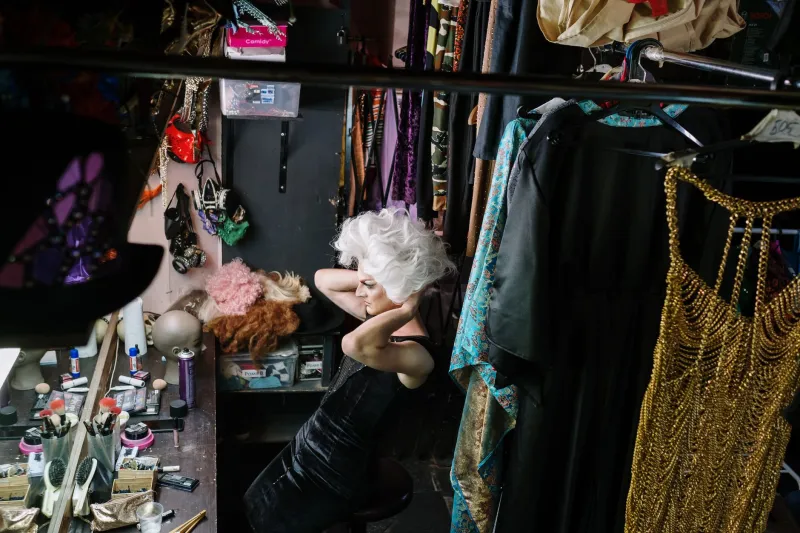
Shared dressing rooms can go one of two ways. They can become a pile of bags, wet wipes and low-level resentment, or they can become a genuinely nice place to spend an hour before a show. The difference is usually a five-minute reset. Clear the surfaces. Put the make-up in one place. Make sure there is a bin. If you are touring with a small company, agree who is responsible for what — not as a military operation, but as a kindness.
A tidy shared room tells everyone the same thing: we are in this together, and we are not going to make each other live in a skip. That matters on a wet Tuesday in a town where the only excitement is the venue's hand dryer.
3. Learn the venue's local press rhythm
Local press is not dead. It is just busy, understaffed and more likely to answer an email if you have done your homework. On a small tour, a chat with community radio, a mention in the local paper or a short interview with a regional arts website can be the difference between a half-full room and a proper audience. The trick is to fit the venue's rhythm, not your own.
Ask the venue marketing contact what has worked before. Offer a short, clean interview rather than a sprawling press pack. Be ready with one good anecdote and one clear reason why the show is worth leaving the house for. And if someone gives you ten minutes on a Friday afternoon, do not spend nine of them explaining the plot. Give them something human.
4. Turn the Q&A into part of the show
A post-show Q&A can feel like an afterthought. It should not. For a small tour, it is often the bit audiences remember most — the moment the polished thing they watched becomes a conversation. The habit is to prepare for it properly. Have a chair ready. Have water. Nominate someone who actually enjoys talking to people. Do not let the Q&A become a rambling post-mortem for the cast.
Keep it short, warm and specific. Ask the audience what they noticed. Tell them one backstage story that explains how a moment was made. Then let them go home. A good Q&A does not make the show feel smaller. It makes the whole evening feel like an event.
5. Leave the building better than you found it
This is the habit that separates a tour that gets invited back from one that does not. Clear your rubbish. Coil the cables. Put the tables back where you found them. Thank the front-of-house team by name if you can. It sounds painfully basic, but on a long run of one-nighters, basic is exactly what gets forgotten.
The get-out is part of the show, even if the audience has gone home. A clean, calm departure tells the venue that you respected their space. It also makes the next load-in easier for someone else — maybe even for you, next year.
None of these habits require a bigger budget. They require attention. A small tour can feel big if the people backstage act as though every detail is part of the experience. That is not spin. It is just good theatre.