Sticky Notes and Stage Fright: The Quiet Life of a Dressing Room Mirror
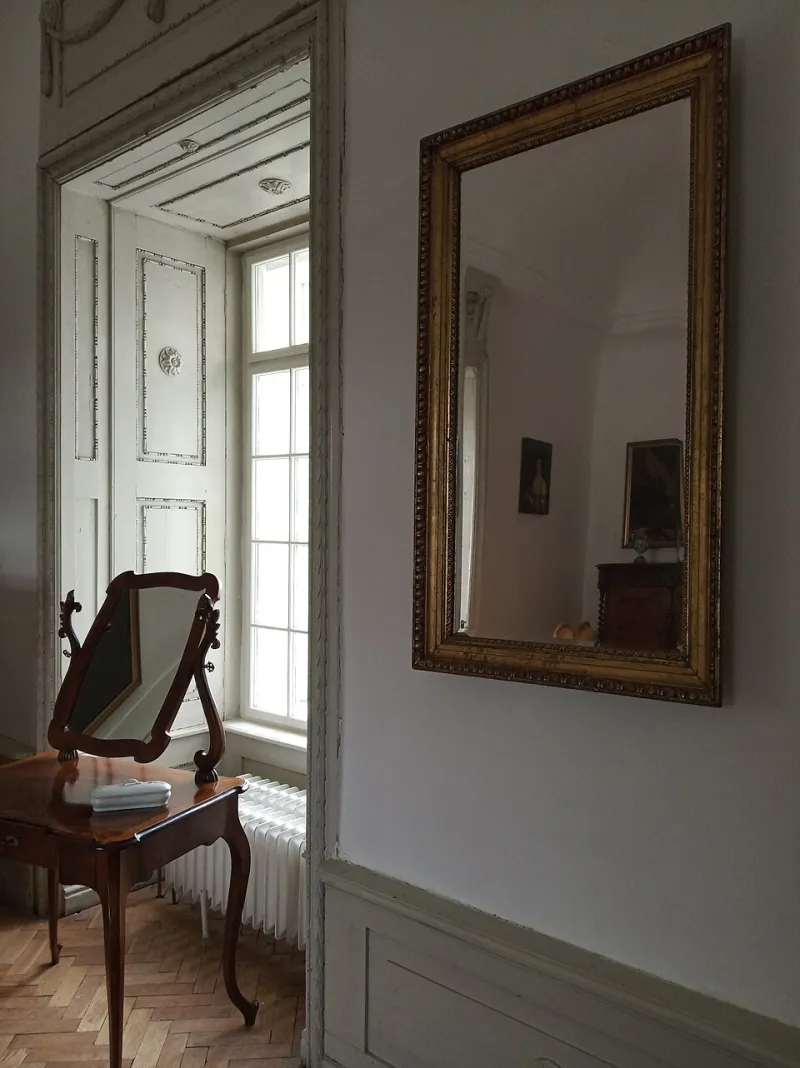
Photo: ZemplinTemplar, CC BY-SA 4.0, via Wikimedia Commons
Walk into almost any UK dressing room and the mirror will tell you something before the performer does. It might be a cluster of sticky notes around the frame, a hairpin left on the shelf, a warm-up reminder in marker pen, or a small stone from a beach that has no obvious theatrical purpose. The mirror is where the backstage admin meets the pre-show nerves, and it quietly holds both.
I have seen mirrors in grand touring houses and in rooms above pubs that smelled faintly of chips. The setting changes; the ritual does not. Someone arrives early, claims a corner, and starts arranging the day around that rectangle of glass. It is less about vanity and more about making a small, temporary space feel usable. A dressing room mirror becomes a station for the five-minute reset before call — the bit where you stop rushing and start performing.
The Mirror as Noticeboard
Sticky notes are the unofficial paperwork of backstage life. They are faster than a call sheet and more personal than a text message. I have found notes saying 'jaw, shoulders, knees' in a regional theatre in the Midlands, a reminder to 'thank the crew' stuck to a mirror in Manchester, and a single line — 'you have done harder things than this' — left behind in Leeds. None of them were addressed to anyone in particular. They were addressed to whoever needed them next.
For collaborators, the mirror is also a useful map. It shows where someone is in their day. A tidy mirror with a water bottle and a printed schedule suggests a calm start. A mirror covered in frantic notes about timings, lyrics and phone numbers suggests someone running on adrenaline and a train delay. You learn to read the room without asking too many questions. That is a backstage skill worth having.
Lucky Charms and Low-Level Superstition
Most performers I know are not wildly superstitious. They are just quietly superstitious in a way that fits around the job. A lucky pick, a particular hairband, a coin from a first tour, a photo tucked into the mirror frame. These things are not spells. They are anchors. They make a strange room feel less strange and a big night feel more ordinary.
The mirror is the natural home for them because it is the last thing you look at before the call. It is also the first thing you see when you come off, which is why you sometimes find a note that says 'well done' in your own handwriting. I have done that. It feels ridiculous for about three seconds, then it works.
The Five-Minute Reset
The five-minute reset is not a magic trick. It is a small piece of practical maintenance. I have used it in venues with proper bulbs and in venues where the mirror was mostly a suggestion. The steps are simple, and they work whether you are doing a play, a gig, a panto run or a corporate set in a hotel function room.
First, clear the sightline. Move the coffee cup, the phone and the pile of notes you are not going to read. You do not need a minimalist dressing room; you just need to be able to see yourself without a receipt in the way.
Second, breathe and scan. Shoulders down, jaw loose, one slow breath in and out. Check your posture the way you would check a prop. Is anything tight, pinching or forgotten? Fix the small thing now rather than at the side of the stage.
Third, say one cue out loud. Not the whole script. Just the first line, the first chord, the first step. It reminds your voice and body that the show is real without giving you time to overthink it.
Fourth, pick one note. One. The mirror is covered in reminders, but the five-minute reset is not the moment for a full revision session. Choose the note that matters most tonight and leave the rest for tomorrow.
Fifth, put the phone down. Not away forever — just out of reach for five minutes. The mirror is better company than a screen full of messages you cannot answer before call anyway.
What to Leave Behind
The best dressing room mirrors collect a bit of evidence. A corner of a call sheet, a note from a stage manager, a lucky coin, a reminder to drink water. They are small archives of a working life, and they get wiped clean when the next person arrives. That is part of the charm. Nothing stays too long.
If you are performing or working backstage this week, take a look at the mirror before you leave. Add a note if it helps. Take one down if it has done its job. Then do your five-minute reset, check the call time and head for the wings. The mirror will keep the rest.