The Warm Room Rule: Backstage Heating and the Quiet Art of Thermostat Diplomacy
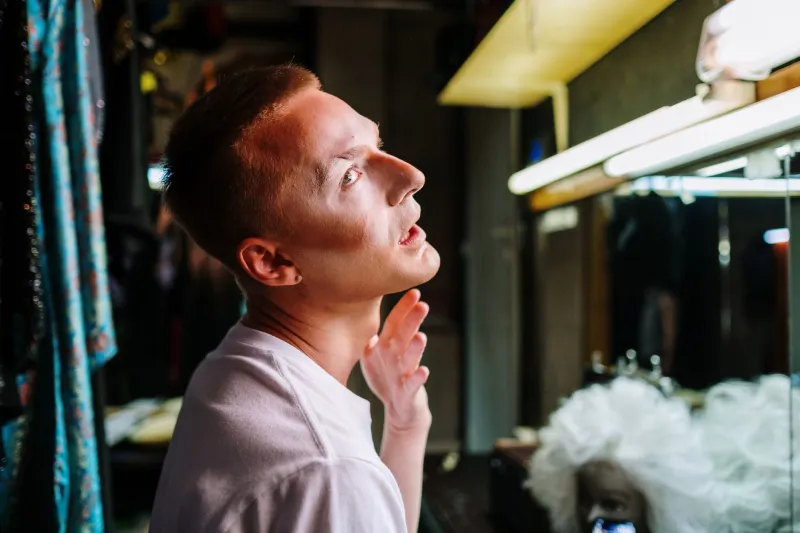
There is a sound that tells you a winter tour has properly begun: a radiator in a regional theatre dressing room, knocking like it wants to be let out. Not a gentle hum. A full percussion solo. It arrives some time in November, usually just as you have convinced yourself that the venue is warm enough, and it continues until someone in wardrobe mentions, very calmly, that the costumes are starting to smell of damp.
This November, on a run that has taken in more single-glazed stage doors than I care to count, I have come to think of backstage heating as its own department. It has a geography, a hierarchy and a set of manners. Get it wrong and you can sour a company faster than a bad review. Get it right and nobody notices—which is, of course, the whole point.
Warmth Is a Technical Department
Actors talk about cold hands the way sound engineers talk about feedback. It is not a minor complaint. Cold fingers make quick changes slower. Cold shoulders make warm-ups longer. A dressing room that never quite heats up turns a company inward, shoulders hunched, conversations clipped, everyone keeping their coat on until the five-minute call.
And it is not only comfort. A chilled voice takes longer to settle. A cold wing makes a two-minute wait feel like a small act of endurance. The stage might be lit like a summer evening, but the corridor behind it can be doing a convincing impression of a car park in January.
The practical answer is rarely 'turn the heating up'. Most venues are working with systems that are old, listed, underpowered or all three. The answer is usually layers, timing and a bit of polite detective work. A merino base layer under a costume is worth more than a radiator that only comes on when the building manager remembers. Fingerless gloves in the wings are not a fashion statement; they are a small kindness to your own circulation. A hot-water bottle in a dressing-room chair, refilled at the interval, has settled more pre-show nerves than any breathing exercise.
The Geography of Heat
Every theatre has a warm room. It is rarely the room you expect. Sometimes it is the wardrobe room, because irons and steamers generate their own climate. Sometimes it is the stage manager's office, which has the only thermostat that actually responds. Often it is a corridor with a radiator and a chair, which becomes the unofficial green room because it is the one place where the radiators win.
Then there is the dressing-room hierarchy. The principal's room may have a radiator that works and a window that does not. The ensemble room may have a window that works and a radiator that does not. The chorus may be in a room that was clearly designed as a storage cupboard and has the thermal properties of a biscuit tin. None of this is usually anyone's fault. It is simply the architecture of old buildings doing what old buildings do.
The quiet politics start when people begin to negotiate. Can we borrow the fan heater from wardrobe? No, because it trips the circuit. Can we leave the door open to let the warm air in from the corridor? Only if the sound department is not recording a quiet scene nearby. Can we turn the radiator up? It is already up; it is just tired.
Thermostat Etiquette for Civilised People
The first rule of backstage heating is: do not twist a thermostat without asking. The second rule is: if you must ask, ask the company manager, not the nearest person in a lanyard. The third rule is: if the answer is no, put on another layer and save the argument for something that matters more, like whether the interval tea is actually tea.
There is a useful distinction between 'cold' and 'draughty'. Cold can be layered against. Draught can be blocked with a rolled-up towel at the bottom of a door, provided the towel is not a costume. Both can be improved by closing doors that were never meant to be left open. A surprising number of heating disputes are really door disputes in disguise.
It also helps to remember that overheating is a thing. A dressing room that is too warm before a show can leave you sluggish by the second act. The goal is not a sauna. The goal is a room where you can sit still without your teeth chattering and put on a costume without flinching. That is a modest target, but on a November tour it can feel like a luxury.
When the Radiator Becomes a Character
I once worked in a venue where the dressing-room radiator had two settings: off and ominous. It clanked through the pre-show like a metronome with a grudge. The sound team, to their credit, eventually sampled it and used it in the underscore of a scene set in a factory. The radiator became a character. The company started referring to it by name. By the end of the week, nobody wanted it fixed.
That is the other side of the radiator wars. They are annoying, but they are also part of the texture of a tour. The damp sock on the radiator guard. The costume that smells faintly of dust and warmth. The stage door that lets in a gust every time someone arrives. The shared look between two people in the wings when the heating finally clicks on, as if a small god has smiled on the building.
A Small Kindness With a Big Return
So here is the warm room rule: look after the room, and the room looks after the company. Offer the hot-water bottle to the person who has been standing in the cold wing. Close the door behind you. Do not hog the one working radiator. If you are in charge of the call sheet, add a line about layers and a spare blanket. If you are in charge of the venue, please check the radiators before the company arrives. It is not glamorous work, but it is the kind of work that makes a tour feel human.
Winter touring is full of small negotiations. Most of them never make it into the programme. But warmth, or the lack of it, shapes the mood of a company in ways that are hard to measure and easy to feel. Get the heating right and you get a room full of people who can concentrate on the show. Get it wrong and you get a room full of people who can concentrate on their own cold feet.
This November, I will take the clanking radiator, the draughty corridor and the fingerless gloves. I will also take the moment when someone finally works out which valve to turn, and the whole dressing room exhales. That is not just heat. That is morale, arriving one degree at a time.