Before the Cue: A Backstage Countdown for Real-Life Beginnings
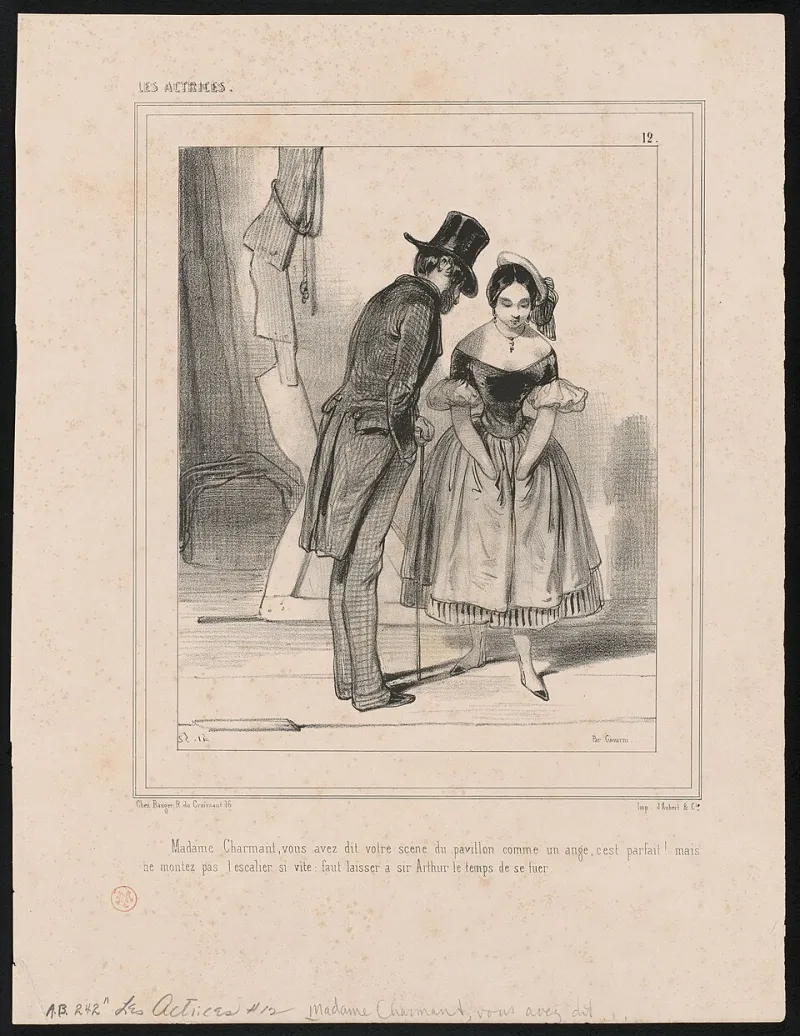
Photo: Gavarni, Paul, 1804-1866, Public domain, via Wikimedia Commons
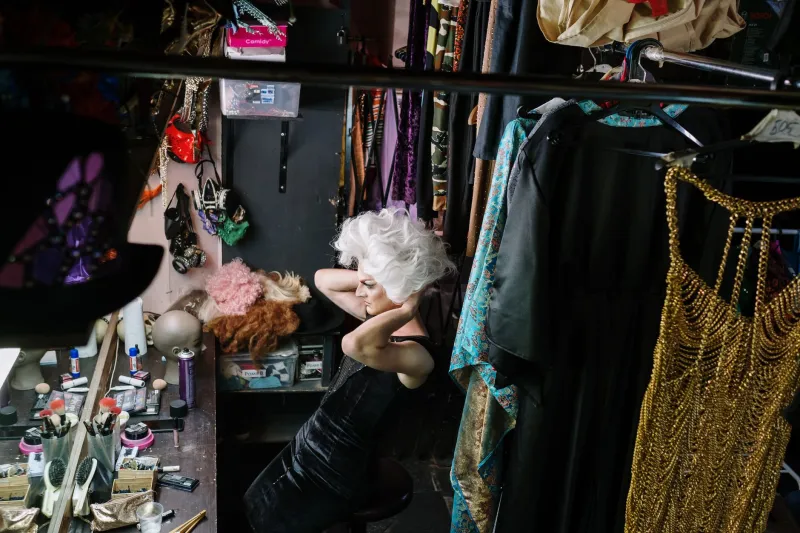
There is a particular sound in a regional theatre about ten minutes before curtain: a stage manager's voice, calm but carrying, saying something like, “Ten minutes, please.” It is not dramatic. Nobody gasps. But the room changes. Conversations get shorter. Bags are zipped. Someone checks a prop table for the third time. A performer who was laughing in the corridor a moment ago goes quiet and starts pacing a small, well-practised circle.
I used to hear the ten-minute call as a deadline. A line between not-yet and too-late. The older I get, and the more small tours I do, the more I think it is actually a beginning ritual. It is a built-in pause before the thing you have been preparing for. And it works just as well away from a stage.
A boundary, not a countdown
The useful thing about the call is that it does not ask you to do more. It asks you to stop adding. In the wings, the ten minutes are not for learning lines or restructuring the show. They are for checking what is already there: shoes, quick-change kit, water, a prop that has a habit of wandering. It is a boundary between rehearsal-brain and show-brain.
For a UK creative staring down a portfolio update or a project launch, that boundary is surprisingly hard to find. We tend to work right up to the moment of pressing publish, then wonder why the whole thing feels like a scramble. The ten-minute call says: the work is done enough. Now get ready to begin.
On a small tour a few winters ago, we played a venue where the dressing room was also the box office corridor. There was no privacy, no door, and a queue of audience members buying programmes two metres from the costume rail. The ten-minute call became the only reliable signal that the day was shifting from travel-and-get-in to performance. The company manager would stand by the radiator, say the line, and we would all quietly turn into a company again. Not because of superstition. Because of the pause.
What actually happens in those minutes
The backstage ten is rarely glamorous. It is a kit check, a body check and a people check.
The kit check is practical: props in place, costume fastened, mic taped, emergency kit stocked. The body check is about settling the nervous system: a few deep breaths, a stretch, a glass of water, a visit to the loo because you will not get another chance for two hours. The people check is the one people forget. It is catching the eye of the sound op, thanking the dresser, nodding at the stage manager. It is a quiet way of saying: I know you are here, and we are doing this together.
I have seen the ten-minute call absorb all sorts of small disasters. A missing shoe. A broken zip. A guest performer who had gone for a walk and was found admiring the venue's noticeboard. None of those needed a full company meeting. They needed ten minutes and a few people paying attention.
That is the bit I have started stealing for my own work. Before I publish a new project page or send a pitch, I give myself a ten-minute call. Not to rewrite the whole thing. To check the equivalent of my props: links, file names, image sizes, alt text, contact details. To do a body check: sit up, drink water, stop refreshing the analytics I have not even earned yet. And to do a people check: tell the collaborator I have mentioned, send the link to the person who helped, make sure nobody is surprised by what goes live.
The three-part pre-launch call
If you want to try it, keep it deliberately small. Ten minutes is not long enough for a full audit, and it is not meant to be.
Minutes one to three: kit
Open the thing you are about to send or publish and look at it the way an audience would. Does the first line make sense? Are the images the right way up? Do the links work? Is your name spelled correctly? On a tour, this is the prop table. At a desk, it is the final pass before the button.
Minutes four to seven: body
Step away from the screen if you can. Stretch. Breathe. Check you are not about to send something because you are tired, hungry or bored rather than ready. The backstage version of this is not mystical. It is just giving your nervous system a moment to catch up with the plan.
Minutes eight to ten: people
Send one message to one person who has been part of the work. Not a mass update. A specific note: the link is live, the date is set, the thing we talked about is happening. The ten-minute call in a theatre is not just for the performer. It is for the whole building to know where it stands.
When the call goes missing
I once did a short run at a venue where the call was more of a suggestion. The show still happened. Nobody died. But the edges were frayed: a missing cable, a late entrance, a lot of unnecessary apologising. The performance was fine. The experience of making it was worse.
That is often true of launches, too. The work can be good and the process can still feel chaotic. A ten-minute call will not fix a bad plan. It will not replace rehearsal, editing or proper planning. But it can stop the last ten minutes before a beginning from becoming a small, avoidable mess.
A ritual you can borrow
I do not think the ten-minute call is magic. I think it is a well-designed pause. It gives a company a shared reference point and gives a person a way to cross from preparation into action without pretending the nerves are not there.
So try it before your next deadline. Set a timer. Check your kit. Settle your body. Find your people. Then let the cue happen. The wings are not just a place to wait. They are a place to get ready — and readiness is a skill you can practise anywhere.