Half-Hour DJ: The Unwritten Rules of the Backstage Speaker
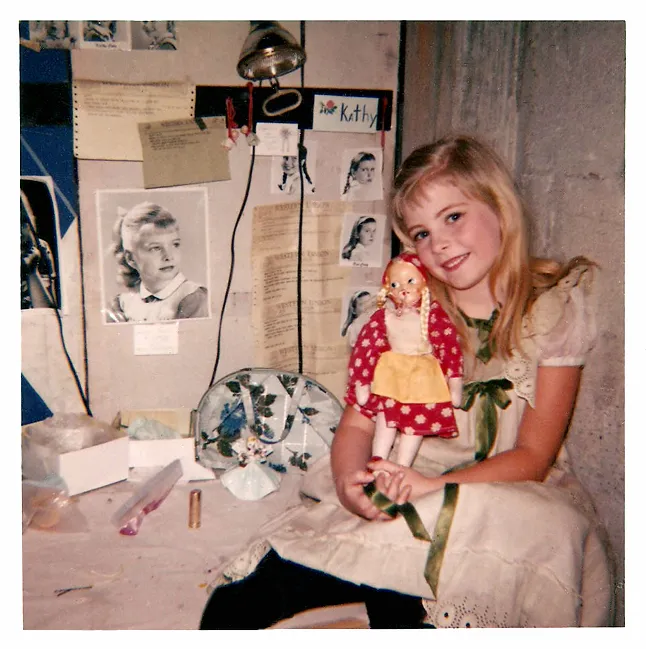
Photo: Kmcody001, CC BY-SA 3.0, via Wikimedia Commons
At half-hour call, the most political object in the building is rarely the lighting desk or the call sheet pinned to the wall. It is the speaker on the shelf: a battered Bluetooth unit, a phone on 14 per cent battery, and a cable that has been borrowed so many times it has developed a personality. The pre-show playlist looks like a trifle. In practice, it is a small exercise in diplomacy.
I have stood in enough dressing rooms to know that the aux is never just the aux. It is a mood lever, a clock, a peace treaty and — on a bad day — a passive-aggressive broadcast system. Someone owns the speaker. Someone else thinks they own the speaker. And everyone has an opinion about the song that comes on at five minutes to beginners.
The Cable Is the Crown
In theory, the person holding the cable is simply the person nearest the socket. In reality, the role tends to settle on whoever is doing the warm-up, running the company notice, or has the most robust data plan. On a touring show, it is often the company manager or the deputy stage manager, because they are the ones who need the room to respond to a signal. In a panto, it is frequently whoever can get the cast laughing before the first cue.
The handover is rarely announced. You just notice that the speaker has migrated from the corner by the mirror to the table near the kettle, and that the playlist has shifted from gentle acoustic numbers to something with a bit more kick. That migration is the tell. The speaker follows the person who needs the room to do something.
There is also a quieter hierarchy at work. The sound department may have strong views about volume, but they are usually too busy to police a dressing-room speaker. The wardrobe team may need the room calm for quick changes. The cast need it to be either energising or soothing, depending on the day. Nobody wants to be the person who says “can you turn that down?” three times before curtain-up. So the rules are negotiated in glances, shrugs and the occasional Very Reasonable Request.
From Warm-Up to Curtain
The half-hour is a threshold. Before it, the room can be a social club: tea, toast, the day’s gossip, someone trying to remember the name of the restaurant from the last tour. After it, the room tightens. The playlist has to change gear.
A good half-hour DJ knows that the first ten minutes are for settling. The next ten are for focus. The final ten are for nerve management. That might mean a singalong, a stupid song from a school disco, or complete silence while everyone stares at their own reflection and wonders why they do this job. The mistake is assuming everyone needs the same thing at the same time.
I once worked with a musical director who treated the speaker like a passport: never out of his sight, never handed over without a full briefing. His playlist was built like a set list, with timings written in the margins. At 25 minutes, a Nina Simone track. At 15, something with a bassline. At five, silence. He was not being difficult. He was building a room.
Then there was the panto company where the aux passed around like a biscuit tin. Everyone got a turn, but only one song each. It should have been chaos. Somehow, it worked. The rule was simple: no skipping, no sad songs, and nothing longer than four minutes. By the end of the run, the playlist had become a shared joke — a record of who was in the building that week.
The Songs That Become Fixed Points
Every run develops its own fixed points. A song that has to play before the vocal warm-up. A song that signals the five-minute call. A song that nobody particularly likes but that has become a superstition. You can tell a lot about a company from the track that gets repeated. It might be a guilty pleasure, a bit of northern soul, a show tune, or something so specific to the town that nobody outside the tour would understand it.
Generational taste is part of the comedy. The younger members of the company reach for something from the last six months; the older guard reach for something from the last three decades. The compromise is usually a song that everyone knows the chorus to but nobody would admit to having in their library. That is the sweet spot. Not cool. Not ironic. Just communal.
The room also has its own volume ceiling. Too quiet and it feels like a waiting room. Too loud and the quick-change calls get swallowed. The best aux-holders are the ones who read the room rather than the playlist. They notice when the chatter has dropped. They notice when someone is pacing. They notice when the joke has gone on a beat too long.
The Quiet Rules Nobody Writes Down
There is no induction for this. Nobody hands you a laminated card headed “Dressing Room Speaker Protocol”. But the rules are there, passed down like stage-door passwords.
Do not skip a song without asking. Do not put on a ballad when the room is already nervous. Do not use the speaker as a weapon in an argument about the note session. Do not leave your phone connected and then wander off to wardrobe, forcing the entire company to listen to your notifications. And when the stage manager says “five minutes”, the music goes off. Not down. Off. That silence is part of the show.
The silence is also a kindness. It gives everyone a moment to stop performing the relaxed version of themselves and start performing the actual thing. The speaker has done its job by then. The room has been warmed, distracted, organised and, on a good day, slightly united.
So who gets the aux? Usually the person who needs it least for themselves and most for the room. The one who can read the clock, the kettle and the collective blood pressure. It is not a glamorous job. But get it right, and nobody notices. Get it wrong, and you will hear about it in the interval.
And if you are ever handed the cable with no explanation, treat it like a borrowed car: check the volume, mind the corners, and do not change the radio station until you know where everyone is going.